Shelf Pulls Versus Returns Pallets
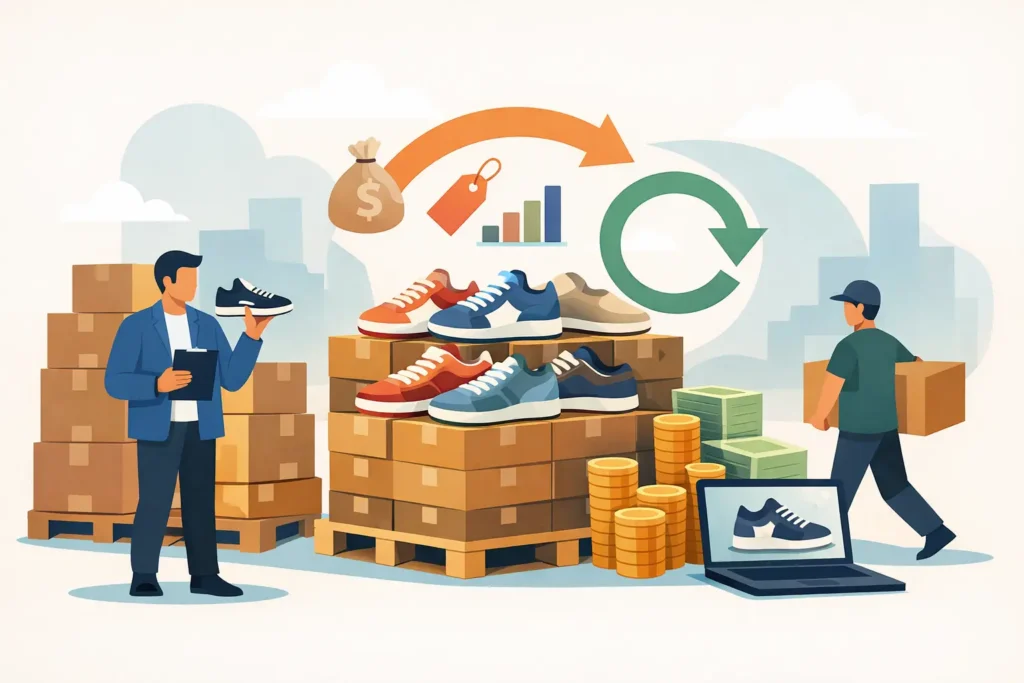
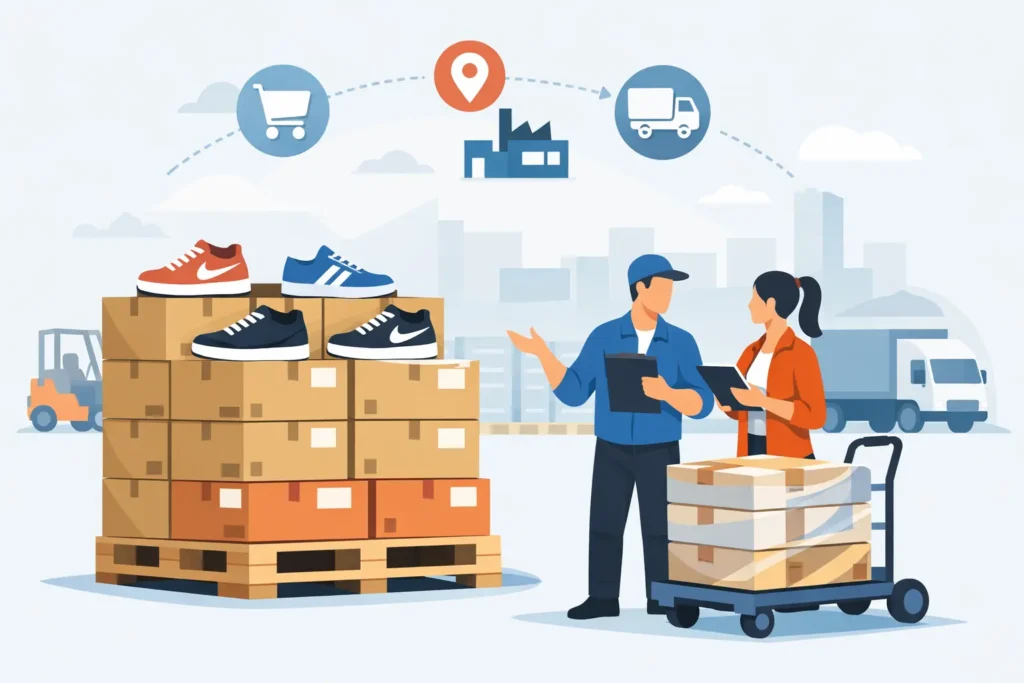
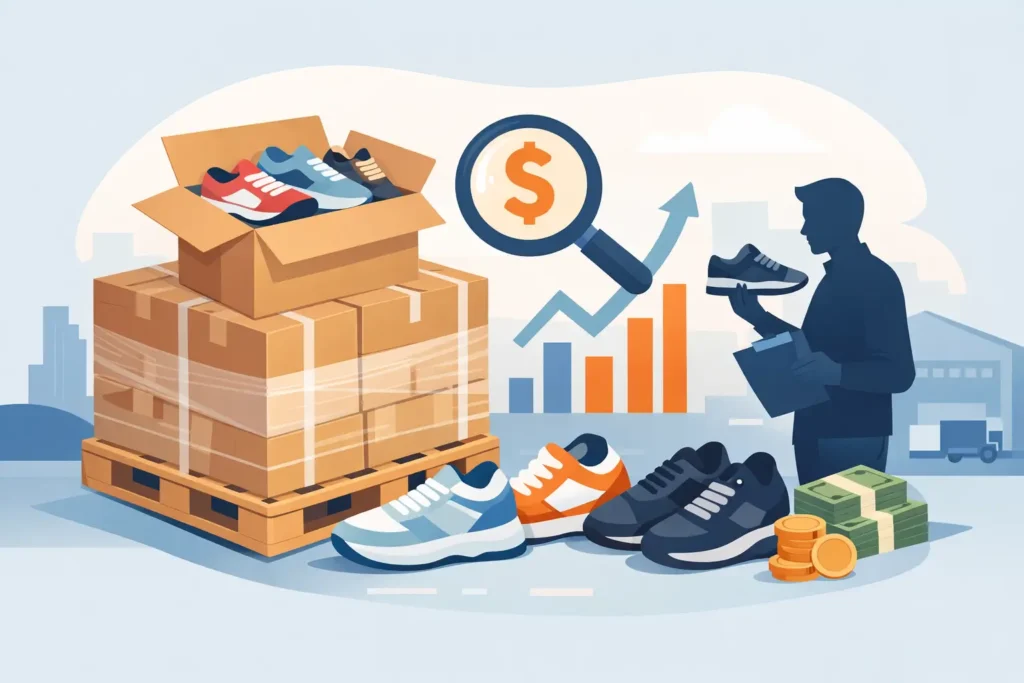
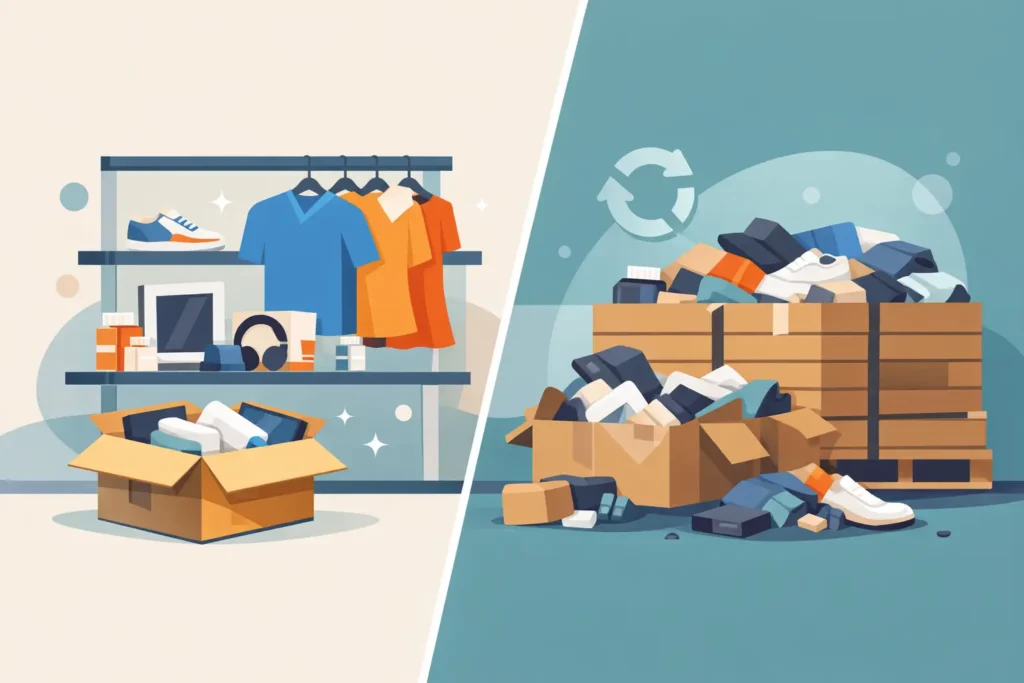
One pallet looks clean, the next looks cheap, and both seem like a deal until you start sorting through what you actually bought. That is where shelf pulls versus returns pallets becomes a real business decision, not just a liquidation term. If you are buying for resale, the difference affects your testing time, listing speed, refund rate, and profit per unit. For most resellers, this choice comes down to risk versus upside. Shelf pulls usually offer a cleaner path to market. Returns pallets can offer deeper discounts and stronger margins, but they often come with more labor and more surprises. If you know how each pallet type behaves, you can buy with a plan instead of guessing. Shelf pulls versus returns pallets: what changes your margin Shelf pulls are products removed from retail shelves. They are often overstocked, discontinued, seasonal, packaging-updated, or part of store resets. In many cases, the items are still new, but the box may show shelf wear, stickers, crushed corners, or light handling. Some pieces may be missing tags or outer packaging, but a large share is still resale-friendly. Returns pallets are made up of items customers sent back to a retailer. The reason can be simple or expensive. Some buyers changed their mind. Others opened the product, used it, swapped parts, damaged the packaging, or returned a defective item. That means returns can range from like-new merchandise to salvage-grade inventory in the same load. That one distinction changes your workflow. Shelf pulls tend to move faster because they usually need less testing, less cleaning, and fewer condition notes. Returns pallets often cost less upfront, but your true cost includes inspection time, missing parts, repairs, repackaging, and more customer service after resale. What shelf pulls usually look like in real resale Shelf pulls are popular with resellers who want recognizable merchandise without taking on heavy processing. In footwear, apparel, toys, home goods, and general merchandise, shelf pulls often arrive in condition that is good enough for quick listing. You may still see sticker residue, damaged boxes, or signs of in-store handling, but many items can be sold as new with box damage or new without tags, depending on the category and platform rules. This makes shelf pulls attractive for online sellers, discount stores, and flea market vendors who need inventory they can sort and price quickly. If your business depends on turn rate, shelf pulls can save time at every step. You spend less time troubleshooting and more time moving units. That does not mean shelf pulls are perfect. Some lots are mixed heavily. Packaging condition can drag down selling price, especially in categories where presentation matters. Shoes with damaged boxes, beauty items with sticker marks, or electronics with open packaging may still sell, but you need to price for condition and channel. What returns pallets usually look like in real resale Returns pallets are where many experienced buyers find aggressive margin. The entry price is often lower because the condition is less predictable. Inside one pallet, you might find sealed items, lightly used products, incomplete units, dead stock, and a few pieces that should go straight to parts or disposal. For sellers who know how to grade, test, bundle, and salvage, returns can produce strong numbers. If you can replace missing accessories, clean merchandise, combine incomplete units for parts, or sell across multiple channels, returns pallets can outperform cleaner inventory on a percentage basis. The trade-off is labor. Returns pallets are not ideal if you need inventory ready to list the same day. They are better for buyers who have a system – receiving space, testing tools, packaging supplies, and the patience to sort winners from losses. Without that setup, a cheap pallet can get expensive fast. Which pallet type is better for new buyers If you are new to liquidation, shelf pulls are usually the safer first move. They give you a better chance to learn pricing, condition grading, and local demand without getting buried in problems. You can evaluate brands, categories, and resale speed with fewer variables. Returns pallets make more sense after you understand your market and your own operation. Once you know what defects you can handle, what items are worth fixing, and what your buyers will tolerate, you can use returns to push margin higher. A lot of new resellers make the mistake of buying only on price. They see a lower cost per unit and assume it is the better deal. It is not the better deal if half the pallet takes hours to process or cannot be sold on your preferred platform. Shelf pulls versus returns pallets by sales channel Your resale channel should drive the buy. If you sell on Amazon, eBay, Shopify, or your own website, shelf pulls are often easier to standardize. Cleaner condition means fewer detailed explanations, fewer returns from your customers, and less risk of negative feedback caused by cosmetic issues you missed. If you sell at flea markets, bin stores, outlet formats, or discount retail, returns pallets can fit better. Those channels give you more flexibility to move mixed-condition goods quickly. A customer shopping for value in person may accept open-box or tested-used merchandise more easily than an online buyer who expects a tighter condition match. For sneaker and footwear resellers, shelf pulls can be especially useful because brand, size run, and visual presentation matter. A clean pair with minor box wear is usually easier to move than a returned pair with unknown wear history or missing inserts. Returns can still work in footwear, but grading has to be sharper. The cost you should calculate before buying The invoice price is only the start. Smart buyers look at total landed and processed cost. With shelf pulls, your costs usually lean toward purchase price, freight, sorting, and light relabeling. With returns pallets, add testing, cleaning, repackaging, replacement parts, disposal, and the value of your time. If you hire help, that labor needs to be built into your margin target. This is why
Shelf Pulls Versus Returns Pallets Read More »