
Freight can kill a good liquidation deal faster than bad manifests or slow-moving inventory. You find a strong pallet price, calculate your resale margin, and then the shipping quote lands higher than expected. That is exactly why a solid guide to wholesale freight shipping matters for resellers buying boxes, pallets, or full truckloads.
If you are buying liquidation inventory to resell for profit, freight is not a side detail. It is part of your cost basis. It affects margin, delivery timing, labor planning, storage space, and how quickly you can turn inventory into cash. The buyers who scale are usually not the ones chasing the cheapest lot. They are the ones who understand landed cost.
Why wholesale freight shipping affects your profit
When you buy wholesale merchandise, you are not just paying for product. You are paying for the product, the freight, the unload process, and sometimes the delay that comes from poor planning. A pallet of sneakers or mixed general merchandise can still be a strong buy even with freight added, but only if the numbers make sense after delivery.
That is where newer buyers get tripped up. They focus on unit price and forget freight class, delivery access, residential fees, liftgate charges, and appointment scheduling. Experienced buyers build those costs into every purchase before they check out.
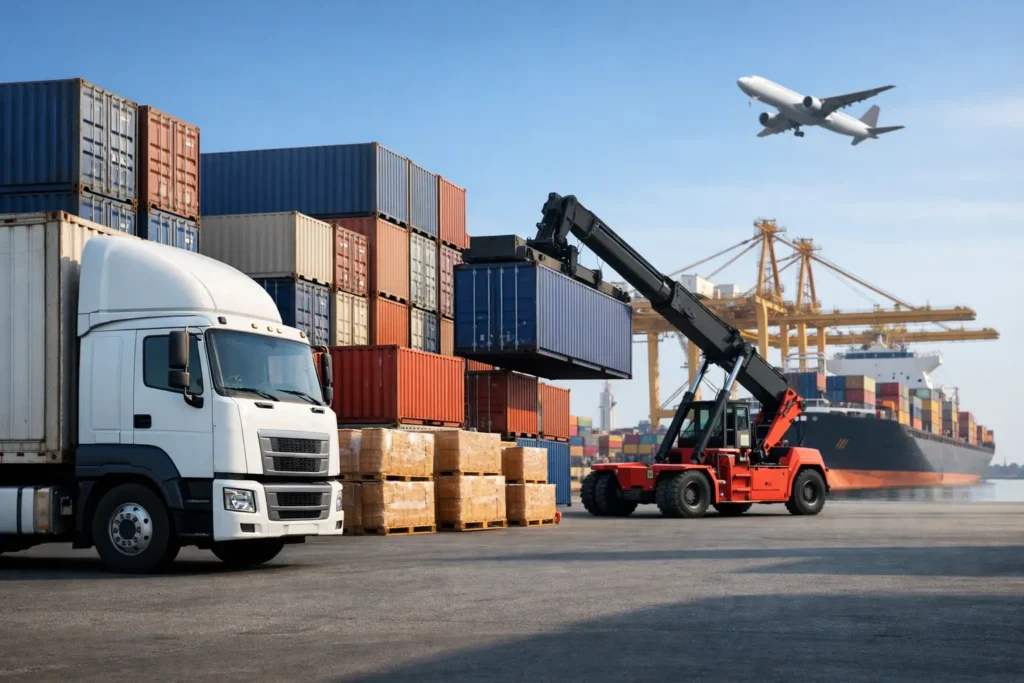
Freight also changes by lot size. A small box order may move through parcel shipping and stay simple. A pallet usually moves by LTL, which means less-than-truckload freight. Larger orders may justify FTL, or full truckload shipping. The right option depends on your volume, your location, and how fast you need inventory on the floor.
A practical guide to wholesale freight shipping options
For most liquidation buyers, there are three common shipping paths.
Parcel works best for smaller boxes and lighter orders. It is easy to understand and usually arrives without much coordination. The downside is cost per unit. Parcel is convenient, but it often becomes expensive when you are scaling up.
LTL freight is the standard for pallet orders. Your shipment shares trailer space with other shipments going in the same direction. This keeps cost lower than booking an entire truck, which is why many pallet buyers start here. The trade-off is handling. More stops and more transfers can increase the risk of delay or pallet damage.
FTL freight makes sense when you are buying enough product to fill most or all of a trailer. This is common for truckload buyers or businesses restocking larger retail locations. You pay more overall, but your shipping cost per pallet can drop significantly. It also cuts down on handoffs, which can help with timing and condition.
How to choose the right freight method
The best shipping method is not always the cheapest quote on paper. It is the method that protects your margin and fits your operation.
If you are testing a new category, a smaller shipment may be the smarter move even if the cost per unit is a little higher. That is common for newer resellers who want to learn a product type before committing to multiple pallets. If you already know your sell-through rate, larger freight moves usually create better buying leverage.
Your delivery location matters too. A commercial address with a dock or forklift usually gets better freight pricing than a house, storage unit, or limited-access location. Residential delivery often adds extra charges. So do liftgate requests, inside delivery, and remote-area service.
That does not mean smaller buyers are shut out. It means you need to know the real cost upfront. Sometimes using a commercial receiving address or local warehouse partner makes more sense than sending freight to your home.
What affects your wholesale freight rate
Freight pricing is never random, even when it feels that way. Carriers look at a few core factors every time they price a shipment.
Weight and dimensions are the starting point. Heavier pallets and oversized loads cost more to move. Distance is next. Cross-country freight will usually cost more than regional freight, though route density can change that.
Freight class can also affect pricing, especially for LTL shipments. In simple terms, class reflects how easy or difficult a shipment is to move based on density, handling, stowability, and liability. Liquidation pallets vary. A dense pallet of boxed footwear may price differently from a fragile mixed lot with irregular packaging.
Accessorial charges are where many buyers lose money. These are added services or conditions outside a standard dock-to-dock shipment. Common examples include residential delivery, limited access, appointment fees, liftgate service, re-delivery, and detention if the unload takes too long.
How to prepare for freight before you buy
A good freight plan starts before payment, not after. If you wait until the lot is already purchased, you give yourself less room to control cost.
First, confirm shipment type. Ask whether the order ships as boxes, pallets, or a full trailer. Then ask for estimated weight and dimensions. If you are buying multiple pallets, find out whether they are stackable and whether they ship separately or together.
Next, verify the delivery address details. Is it residential or commercial? Do you have a dock, forklift, or pallet jack? Can a tractor trailer access the location without issue? These questions matter because the wrong delivery setup can trigger extra fees or failed delivery attempts.
Then look at timing. If your business depends on fast inventory turnover, a slightly higher freight cost may still be worth it if it gets product to you quicker and with fewer handling points. Cheap freight that sits in transit can hurt more than it helps.
Common freight mistakes resellers make
The first mistake is buying inventory without calculating landed cost. If the pallet is cheap but freight is high, your margin may disappear fast. You need the total delivered cost before you decide whether the lot is worth buying.
The second mistake is using the wrong delivery address. A lot of small buyers send pallets to a residential address without realizing the carrier will add charges or require equipment they do not have. That turns a simple delivery into a problem.
The third mistake is ignoring unload readiness. If the truck shows up and nobody is there, or there is no way to unload safely, you can face re-delivery charges and delays. That is preventable.
Another common issue is buying too small for the freight spend. There are times when one pallet makes sense, especially for testing. But if you already know the category performs well, combining inventory into a larger shipment can improve your per-unit cost.
Guide to wholesale freight shipping for liquidation buyers
Liquidation freight has its own reality. You are often dealing with mixed lots, changing inventory types, and fast-moving opportunities. That means flexibility matters.
For example, a pallet of customer returns may have different packaging consistency than overstock footwear. A shelf-pull load may be cleaner and more uniform than a mixed closeout pallet. These details affect how freight is packed, protected, and priced. The more consistent the load, the easier it usually is to ship efficiently.
This is one reason buyers work with suppliers that understand both inventory and logistics. It is not just about getting a low product price. It is about getting accurate shipment details, realistic freight coordination, and support when timing matters. Pallet Liquidation Wholesale Online sells into a reseller market that needs exactly that – bulk inventory with shipping options that fit different buying levels.
How to lower freight costs without hurting your business
The easiest way to reduce freight cost is to buy smarter, not just cheaper. Consolidating shipments often helps. Shipping two or three pallets together can lower your cost per pallet compared with placing separate orders.
Using a commercial address can also make a big difference. If you do not have one, it may still be worth arranging delivery to a warehouse, storefront, or freight-friendly receiving point. The savings can offset the added step.
Planning inventory around repeat lanes helps too. If you consistently buy from the same region, you get a better feel for normal rates and transit times. That makes it easier to spot a good deal and easier to avoid overpaying.
Finally, be honest about urgency. If you need product fast for a seasonal push or a planned sale, pay for the timing you need. If you do not, build some flexibility into your buying schedule and protect margin.
What a smart freight decision looks like
A smart freight decision is not perfect. It is profitable.
That may mean paying a little more to ship to a commercial location with fewer headaches. It may mean stepping up from a single pallet to a multi-pallet order because the delivered cost works better. Or it may mean passing on a cheap lot because freight pushes the numbers into a weak resale position.
The point is simple. Freight is part of inventory buying, not something that happens after the sale. The buyers who treat shipping like part of sourcing usually make faster, cleaner decisions and keep more margin on the back end.
If you are serious about resale growth, learn to read the freight side of every deal as carefully as the merchandise itself. That habit pays off long after the pallet arrives.
