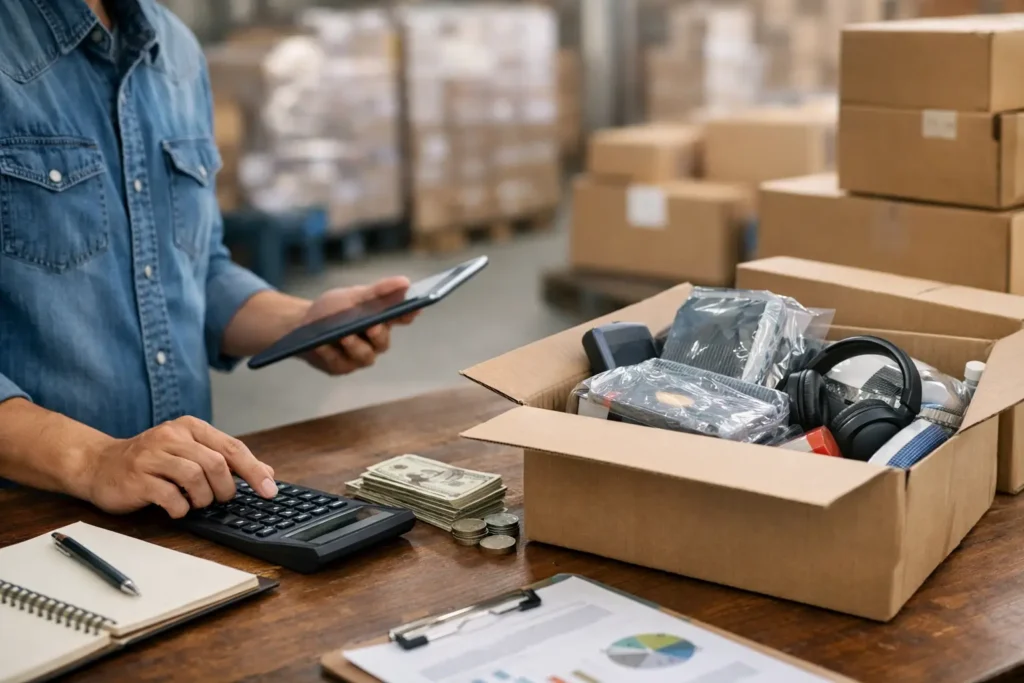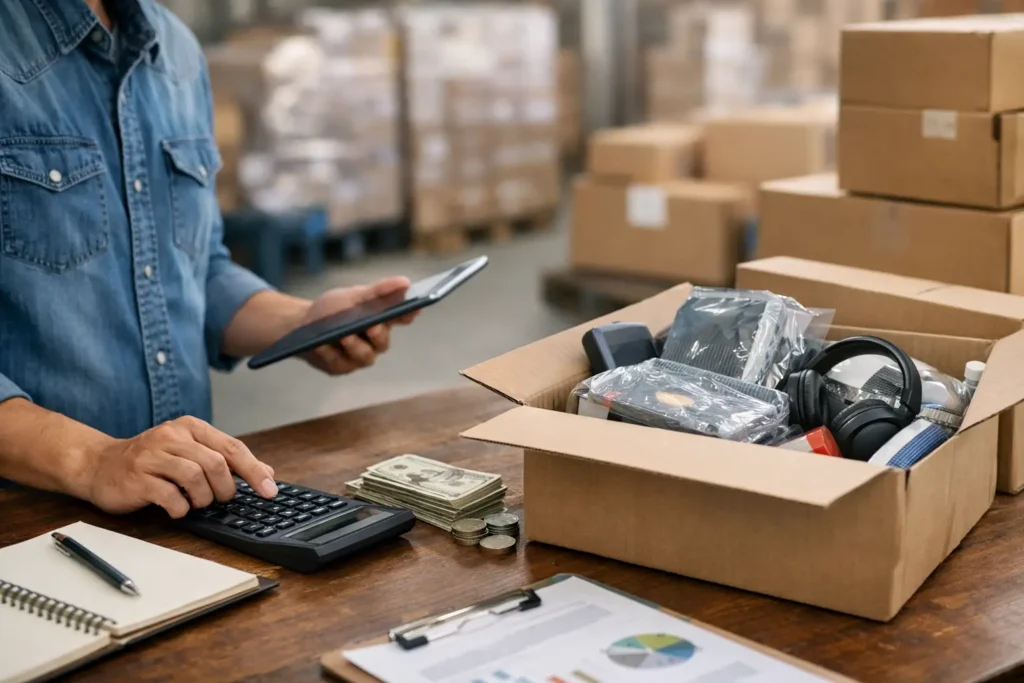
A low pallet price can look like instant profit until freight, damaged units, slow-moving items, and marketplace fees cut into the deal. This beginner guide to liquidation buying is built for resellers who want to buy smarter from the first box or pallet, protect their cash, and turn discounted inventory into sellable merchandise.
Liquidation buying is not about finding one magical deal. It is about understanding what you are buying, what it will cost to get it into your hands, and where you can realistically sell it. Start with a manageable lot, learn how the process works, then scale when your numbers prove the opportunity.
What Liquidation Inventory Actually Means
Liquidation merchandise is inventory sold below original retail pricing because a retailer, brand, distributor, or warehouse needs to move it quickly. The reason can vary. Some goods are overstocked. Others are seasonal closeouts, shelf pulls, discontinued products, surplus inventory, or customer returns.
Those differences matter. An overstock lot may contain new, retail-ready products in excellent condition. A customer-return lot can include new items, open-box merchandise, incomplete sets, damaged packaging, or products that need testing. Neither is automatically better. The right choice depends on your resale channel, labor capacity, and tolerance for risk.
For a new buyer, the goal is not to chase the cheapest pallet. The goal is to find inventory you can inspect, price, list, store, and sell without tying up all your working capital.
Choose the Right Lot Size for Your Budget
Liquidation suppliers commonly sell by the box, pallet, or truckload. Bigger volume often lowers the unit cost, but it also increases freight expense, storage needs, sorting time, and the risk of holding merchandise that does not move.
A box or small lot is usually the best entry point for a new reseller. It lets you test a category and learn how a supplier’s condition descriptions match the goods you receive. A pallet can make sense when you have enough capital, storage space, and a clear selling plan. Truckloads are built for established buyers with warehouse space, equipment, sales volume, and the ability to absorb variation across a large mixed load.
Do not spend your full buying budget on inventory alone. Keep cash available for shipping, packing materials, marketplace fees, returns, labor, and unexpected issues. Profit is not the retail value printed on a manifest. Profit is what remains after every cost is paid.
Learn the Condition Terms Before You Buy
Condition is one of the biggest factors in liquidation resale value. Read every listing closely and ask for clarification when a condition label is vague. Terms can differ between suppliers, so never assume that one company’s “like new” means exactly what another company’s “like new” means.
Common terms you will see include:
- Overstock: Excess inventory, often new and unused, that a seller needs to clear out.
- Shelf pulls: Store merchandise removed from shelves due to season changes, packaging wear, resets, or discontinued assortments.
- Closeouts: Products being cleared from a retailer or distributor, often because a line is ending or inventory is being replaced.
- Customer returns: Items returned after purchase. Condition can range from unopened to used, incomplete, or nonfunctional.
- Salvage: Inventory with a higher likelihood of damage, missing parts, or defects. It is priced lower for a reason.
If you are buying footwear or sneaker pallets, inspect the stated condition of shoes, boxes, sizes, pairs, and brand mix. A pallet full of recognizable brands can be a strong resale opportunity, but missing mates, heavy wear, or damaged soles change the economics fast. If you are new to liquidation, prioritize lots with clearer grading and less uncertainty over the lowest possible price.
Read the Manifest Like a Buyer, Not a Bargain Hunter
A manifest is an inventory list that may show product names, quantities, retail prices, SKUs, UPCs, sizes, categories, and sometimes condition notes. It is useful, but it is not a guaranteed resale forecast.
Start by checking whether the merchandise fits a market you already understand. If you sell shoes on eBay, Facebook Marketplace, at a flea market, or through a local storefront, a footwear lot is easier to evaluate than a random pallet of electronics. Familiar categories help you spot desirable brands, average resale prices, size demand, and products that tend to sit.
Retail price is a reference point, not your expected revenue. A $100 retail item may only sell for $25 in a crowded online market. It may sell for more if it is a sought-after brand, a current style, and in new condition. Use conservative resale estimates and assume some units will require discounting.
When a manifest is unavailable, your risk is higher. Unmanifested lots can create excellent opportunities for experienced buyers, especially when the purchase price is low enough. For beginners, they are usually better treated as a later-stage play once you understand your category and have room for surprises.
Calculate Your Real Landed Cost
The purchase price is only one line in the deal. Your landed cost is the total amount it takes to get inventory ready to sell. Before placing an order, calculate the purchase price, buyer fees if applicable, freight or local pickup expense, unloading costs, storage, cleaning or testing supplies, packaging, selling fees, and expected losses.
For example, a pallet listed at $800 is not necessarily an $800 investment. If freight costs $300 and you spend another $100 on supplies, your actual investment is already $1,200 before you list a single item. If the pallet contains 100 sellable units, your average cost starts at $12 per unit. If only 80 units are sellable, that cost becomes $15 per unit before marketplace fees and labor.
This is why freight matters so much on liquidation purchases. A nearby pickup can be more profitable than a cheaper pallet located across the country. It depends on the inventory, your selling price, and the total delivered cost. Always compare complete deal costs, not just advertised pallet prices.
Start With Categories You Can Sell Fast
New buyers often make the mistake of purchasing a broad general merchandise pallet because it seems to offer the most variety. Variety can help, but it also creates more work. You may end up researching dozens of unrelated products, finding replacement parts, and managing items that need different sales channels.
A focused category usually gives beginners a better path. Footwear, apparel, tools, home goods, toys, and accessories can work well when you know the market. Choose a category based on three questions: Can you identify the products? Do you have a place to sell them? Can you store and process them efficiently?
Footwear is especially attractive for many resellers because branded pairs can move across several channels, from local sales to online marketplaces. However, sizes, seasonality, authenticity concerns, condition, and box damage all affect demand. Sort by brand, size, gender, condition, and expected price range as soon as inventory arrives. Fast organization helps you list profitable items before demand cools.
Verify the Supplier and Ask Direct Questions
A legitimate liquidation supplier should provide enough information for you to make a business decision. That does not mean every lot will have a full manifest or perfect product photos. It means the supplier should be clear about lot format, condition, purchasing terms, shipping options, and what is or is not guaranteed.
Before buying, confirm whether the lot is manifested, whether photos are representative or of the actual inventory, what condition category applies, how freight is handled, and whether pickup is available. Ask if the merchandise is sold as-is and whether there are any known exclusions, such as missing accessories or untested electronics.
Be cautious with sellers making impossible promises. No legitimate liquidation source can guarantee that every item will be perfect or that every pallet will produce a specific profit. Honest buying starts with realistic expectations. Pallet Liquidation Wholesale Online works with resellers looking for flexible box, pallet, and truckload options, but buyers should still evaluate each lot based on their own sales plan and cost structure.
Process Inventory Quickly After Delivery
Your work begins when the shipment arrives. Count what you can, photograph high-value items, separate products by condition, and flag damaged or incomplete units immediately. Do not leave a pallet untouched for weeks. The longer inventory sits unprocessed, the longer your cash stays trapped.
Create simple groups: ready to list, needs cleaning or testing, bundle or discount, and unsellable. This gives you a real picture of your sell-through potential. Some inventory will be worth selling individually, while lower-value items may move faster in bundles, at flea markets, or through discount bins.
Set a pricing floor before listing. You may choose to price premium items near market value, move standard items at competitive prices, and clear slow products quickly to recover cash. Holding every item for the highest possible price can hurt your business if storage fills up and you cannot buy the next profitable lot.
Build Your First Purchase Around Learning
Your first liquidation order does not need to be huge to be worthwhile. Buy a lot you can afford to process, learn from every unit, and sell through within a reasonable period. Track what arrived, what sold, what required work, and what you would not buy again.
That record becomes your advantage on the next purchase. The best liquidation buyers are not guessing. They know their categories, understand their true landed cost, and move inventory with purpose. Start controlled, stay realistic, and let proven sales results tell you when it is time to buy bigger.