
Branded activewear can move fast, but only if you buy it right. That is why lululemon clothes liquidation gets so much attention from resellers looking for premium apparel at below-retail pricing. The demand is real, the resale potential is strong, and the difference between a smart buy and a bad one usually comes down to lot quality, product mix, and how well you understand liquidation.
Why lululemon clothes liquidation gets reseller attention
Lululemon Clothes sits in a category that keeps pulling buyers across multiple channels. It is recognizable, it has a loyal customer base, and it fits a part of the market where shoppers still pay for brand value even when they are hunting for a deal. For a reseller, that matters.
When you source liquidation, you are not buying a polished retail assortment with neat size runs and perfect presentation. You are buying discounted merchandise that may come from overstock, closeouts, shelf pulls, or customer returns. The upside is straightforward – lower cost per unit and room for margin. The trade-off is that each lot can vary, and branded apparel needs careful sorting if you want to maximize resale value.
That is why buyers chasing lululemon clothing are usually not just looking at the brand name. They are looking at condition, style relevance, seasonality, and how quickly they can turn units into cash.
What lululemon clothes liquidation usually includes
Not every lot looks the same, and that is where buyers either make money or get surprised. A liquidation load can include leggings, sports bras, tops, jackets, shorts, hoodies, joggers, and mixed women’s activewear. In some cases, accessories may show up too, depending on the source and lot type.
The key is understanding whether you are buying overstock or customer returns. Overstock and closeout lots usually offer cleaner inventory with better presentation and more consistent resale potential. Customer returns can still be profitable, but they take more labor. You may deal with missing Lululemon Clothes tags, tried-on pieces, light wear, damaged packaging, or items that need inspection before listing.
For newer buyers, that distinction matters more than the headline discount. A cheap pallet is not always a profitable pallet if the labor cost and sell-through rate eat your margin.
Common lot conditions buyers should expect
In apparel liquidation, condition drives everything. New with tags inventory usually commands the strongest resale price and moves faster on marketplaces. Shelf pulls may still be new, but packaging or labels can show wear from store handling. Returns create more variance. Some pieces are in excellent shape, some need cleaning or repackaging, and some may only be suitable for discount bins or local sale channels.
That does not mean return lots are bad. It means your buying strategy has to match your operation. If you have staff, storage, and a process for sorting apparel, returns can work. If you need clean inventory you can list quickly, a more consistent lot may be the better move.
Where the profit is in Lululemon liquidation
The margin story is simple on paper and more selective in real life. Premium activewear has built-in resale appeal because customers recognize the brand and compare your asking price to full retail. If your landed cost is strong and the merchandise condition supports it, there is room to price competitively while still protecting profit.
But profit does not come from the brand name alone. It comes from buying the right format. Smaller box lots can help newer resellers test the category without tying up too much capital. Pallets make more sense when you already know your average sell-through rate and can process volume. Truckloads are for buyers with established channels, warehouse space, and a plan to break down inventory efficiently.
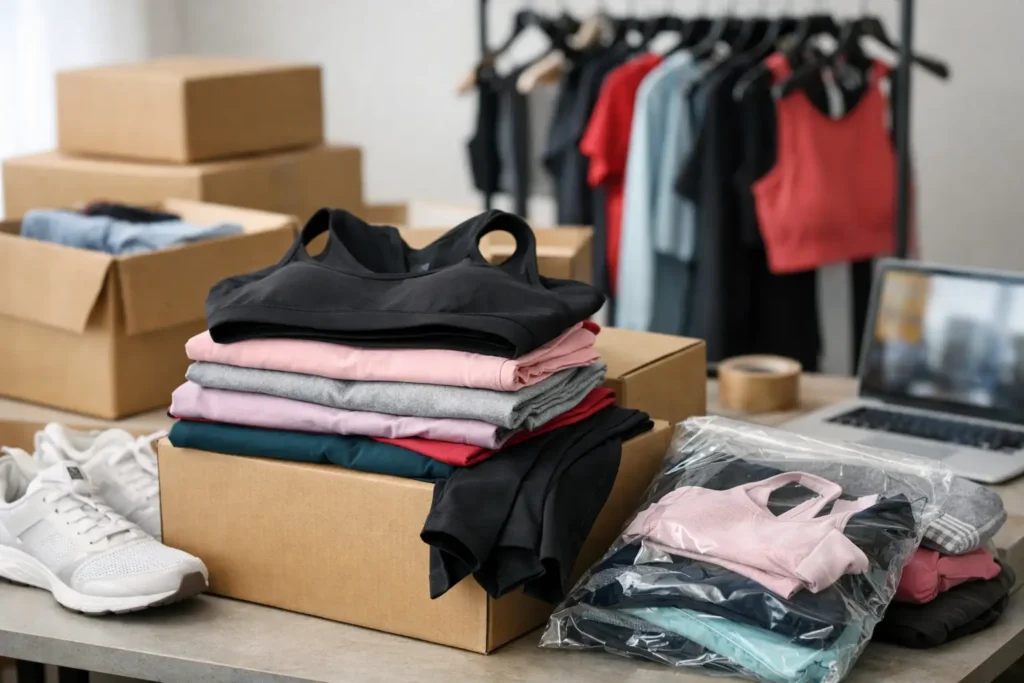
A good buyer also thinks beyond top-line resale price. Freight, prep time, relabeling, damaged-unit loss, platform fees, storage, and return rates all affect actual margin. If you ignore those numbers, even a branded lot can underperform.
Best resale channels for this category
Lululemon apparel can move across several channels, but each one rewards a different approach. Online marketplaces are usually the fastest route for individual higher-value pieces. Local storefronts and discount shops can move mixed-condition inventory with less listing labor. Flea market sellers and live sellers may do well with lower-priced bins, bundle offers, or quick-turn tables.
The right channel depends on the lot you receive. Cleaner units fit premium listings. Mixed grades often do better when sold in bundles or priced for faster turnover. Smart resellers match the inventory to the channel instead of forcing every piece into the same sales process.
How to evaluate a lululemon clothes liquidation lot before buying
The best liquidation buyers ask direct questions before they spend money. You want to know the inventory type, estimated condition, lot size, source category, and whether the manifest is available. If there is no manifest, you need to price in more risk. If there is a manifest, do not assume every line will be perfect. Use it as a planning tool, not a guarantee.
You should also ask how the merchandise is packed. Folded apparel in organized boxes is easier to process than loose mixed clothing with limited separation. Small operational details affect labor time, and labor time affects profitability.
Photos matter, but they are not enough by themselves. Buyers should look for realistic lot descriptions, clear grading language, and a supplier that explains what overstock, shelf pulls, and returns actually mean. Vague wording is where bad expectations start.
Red flags buyers should not ignore
If a supplier promises luxury resale margins on every unit without talking about condition, be careful. If the description avoids lot grade details, be careful. If the pricing looks unrealistically low for a branded apparel category, slow down and review the actual risk.
Reliable liquidation buying is not about chasing fantasy numbers. It is about knowing what you are buying, what work it will require, and what resale channels you already control.
Why lot size matters more than many buyers think
A lot of resellers start by focusing only on per-unit cost. That is part of the equation, but lot size changes your risk profile. A small lot lets you test demand, learn condition patterns, and measure labor without taking a major hit if the mix is weaker than expected. A pallet gives better buying power, but it also requires more capital and more discipline.
If you are still figuring out apparel processing, a smaller mixed lot may be the smarter move. If you already run apparel inventory and need depth, larger purchases can improve your average acquisition cost. It depends on your systems, not just your budget.
This is where a supplier with flexible options matters. Being able to buy by the box, pallet, or truckload gives resellers room to scale without forcing the wrong lot size too early.
Getting inventory moving after the purchase
The resale work starts the minute the shipment arrives. Apparel should be sorted quickly by condition, style, size, and resale channel. Better units should be separated first so you can get listings live and recover capital faster. Slower or mixed-condition pieces can be grouped for bundles, clearance, or local sales.
Speed matters. Branded apparel performs better when you process it fast, photograph it cleanly, and price it according to condition. Sitting on inventory kills cash flow, and cash flow is what lets resellers buy the next deal.
It also helps to standardize your intake. Check tags, inspect seams, confirm authenticity markers where applicable, note flaws, and separate anything that needs extra cleaning or lower-tier pricing. That kind of routine protects your time and keeps your listings consistent.
Is lululemon clothes liquidation worth it?
For the right buyer, yes. Lululemon clothes liquidation can be a strong opportunity when you source from a supplier that understands liquidation categories, offers clear lot information, and gives you buying formats that fit your operation. The value is in access to recognized merchandise at a fraction of retail, but the results depend on how well you manage risk.
If you want easy, perfect inventory every time, liquidation is not the right model. If you want discounted branded goods with real resale upside and you know how to inspect, sort, and move product, it can be a solid category.
At Pallet Liquidation Wholesale Online, that is the approach serious buyers take every day – secure below-retail inventory, buy in the format that fits the business, and turn branded merchandise into margin with speed. The smart move is not chasing hype. It is buying with a plan, knowing your numbers, and staying ready when the next quality lot becomes available.
