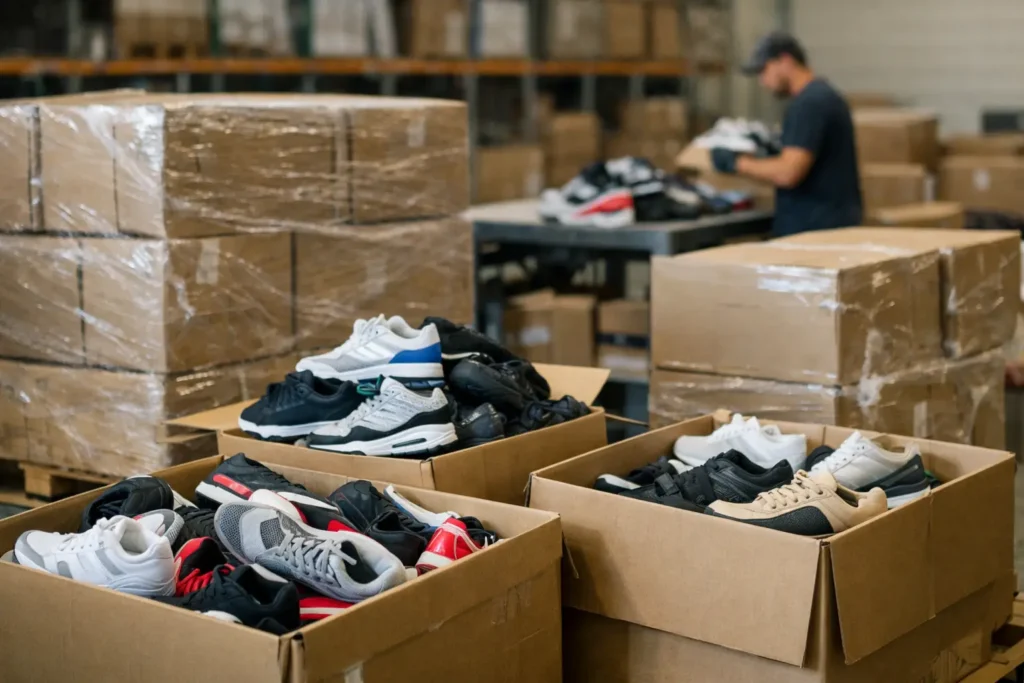
A single hot release can still create fast cash, but building a business around chasing one pair at a time is getting harder. The future of sneaker resale sourcing belongs to buyers who can access inventory in volume, sort it intelligently, and sell across more than one channel. For working resellers, the real opportunity is not guessing the next hype shoe. It is buying below retail, understanding condition, and moving profitable pairs consistently.
Sneaker demand is not going away. What is changing is the way profitable inventory reaches the market. More retailers are tightening return windows, brands are controlling direct releases, and online marketplaces are putting more pressure on sellers to prove authenticity and ship fast. That makes dependable wholesale supply more valuable than random retail finds.
Why the Future of Sneaker Resale Sourcing Is Changing
For years, a reseller could focus on raffles, store drops, clearance racks, and local meetups. Those channels still have a place, especially for a seller who knows a local market. But they are difficult to scale. You may spend hours driving, waiting in line, entering releases, or negotiating for a few pairs with no guarantee of margin.
Bulk liquidation changes the model. Instead of paying close to retail for individual shoes, buyers can source footwear through overstock, shelf pulls, closeouts, surplus merchandise, and customer-return lots. The lot may include recognizable athletic brands, casual sneakers, kids’ shoes, work shoes, and seasonal footwear. Not every pair will be a headline item. That is exactly why the entry cost matters.
A mixed sneaker pallet can give a reseller enough inventory to create several revenue streams at once. Clean, current pairs can go to major marketplaces. Value pairs can move through local apps, flea markets, discount stores, or live selling. Older styles, damaged boxes, and lower-priced footwear can be bundled or marked down for quick turnover. The buyer who has a plan for every condition level is usually in a stronger position than the buyer waiting for one perfect pair.
Bulk Buying Gives Resellers More Control
The biggest advantage of buying liquidation footwear is control over your cost basis. When you purchase inventory at a fraction of original retail, you do not need every unit to sell at top market price. That creates room for fees, shipping supplies, returns, markdowns, and the occasional pair that cannot be sold as new.
It also gives you a better path to scale. A retail arbitrage seller may find three profitable pairs this week and none next week. A pallet buyer can build a repeatable workflow: receive freight, inspect inventory, grade each pair, photograph the best items, list them, and route the rest to the right sales channel. The process is less exciting than a surprise release, but it is more useful for building steady inventory.
This does not mean every pallet is right for every buyer. A beginner with limited storage and a small selling history may do better with a footwear box or a smaller mixed lot. An experienced online seller with warehouse space, staff, and multiple outlets may benefit from pallets or truckload opportunities. The right size is the one you can inspect, list, store, and sell without tying up cash for too long.
Condition Will Matter More Than the Name on the Box
As more sneaker inventory moves through returns and liquidation channels, buyers will need sharper grading standards. A major brand name can attract attention, but condition determines what you can ask for it and where you can sell it.
Separate inventory as soon as it arrives. New pairs with original boxes, unworn shelf pulls, open-box merchandise, lightly tried-on returns, and visibly used pairs should not be treated as the same product. Check outsole wear, insoles, laces, odor, discoloration, glue separation, missing accessories, and box condition. Take clear photos of flaws before listing. Accurate descriptions protect your seller reputation and reduce avoidable return requests.
For a mixed lot, expect variation. Some units may be retail-ready. Some may need cleaning, replacement laces, or a discounted local sale. A small percentage may be incomplete or unsuitable for resale. Successful buyers price that reality into the deal before they purchase. They do not calculate profit using only the best pair in a manifest or photo.
Manifests, Margins, and Freight Are the New Edge
The future of sneaker resale sourcing will reward operators who know their numbers. A pallet price is only the beginning. Add freight, liftgate service if needed, storage, inspection time, platform fees, packing materials, labor, and expected markdowns. Then compare that total landed cost against conservative resale values, not the highest completed sale you can find.
A manifest can help you estimate the opportunity, but it is not a promise of instant profit. Review quantities, sizes, brands, categories, retail values, and stated conditions. Ask whether the lot is manifested, channel or partially manifested. If the inventory is customer returns, plan for a wider range of condition. If it is overstock or shelf pulls, the merchandise may be cleaner, but your buy price may be higher.
Size distribution deserves attention too. A pallet full of desirable styles in difficult sizes can take longer to move than a balanced lot of everyday footwear. Kids’ sizes, women’s sizes, extended sizes, and work-focused shoes can be profitable, but each may perform differently by channel. Your own sales data should guide your next purchase.
Freight is another area where good buyers separate themselves. A strong pallet price can lose its advantage if shipping costs are ignored. Get the delivery details before buying, confirm whether you need a loading dock or channel, and make sure there is room to receive and break down the shipment. Nationwide access is useful, but the real value comes from knowing your delivered cost before inventory is on the truck.
Sell the Lot Through More Than One Channel
The most resilient sneaker resellers will not depend on a single marketplace. High-demand, clean pairs may deserve individual listings where buyers search by style, size, and condition. Everyday sneakers can perform well in local sales where customers want a deal without paying shipping. Mixed-value footwear can be sold in bundles, at pop-up events, or through a discount storefront.
This approach protects your cash flow. If one platform changes fees, slows payouts, or limits a category, you still have ways to move merchandise. It also lets you match the product to the buyer. A collector may care about box condition and release details. A parent shopping locally may care more about a clean pair at a fair price. A discount shopper may buy several pairs at once if the pricing is right.
Technology Will Help, but It Will Not Replace Inspection
Pricing tools, sales-comparison data, inventory software, and marketplace analytics can help resellers move faster. They can show demand trends, identify slow-moving sizes, and make it easier to track how much money is tied up in inventory. But software cannot feel a loose sole, spot a missing insole, or verify that the actual pair matches the description.
Physical inspection remains the foundation of liquidation sourcing. When branded sneakers are involved, buyers should also watch for authenticity concerns. Work with suppliers that clearly represent their inventory sources and conditions. Keep invoices, intake records, photographs, and SKU-level notes. Those habits make your operation easier to manage and give you better documentation if a marketplace asks questions.
At Pallet Liquidation Wholesale Online, footwear buyers can choose inventory formats that fit their capital level, from smaller lots to larger pallet opportunities. That flexibility matters because growth should be profitable, not forced. Buy enough to create momentum, but not so much that poor organization turns a deal into dead stock.
The Best Source Is the One You Can Repeat
The market will keep changing. Certain sneaker releases will cool off, new brands will gain attention, and customer return volume will rise and fall with retail cycles. What stays valuable is a sourcing system you can repeat: buy at the right cost, inspect fast, grade honestly, list accurately, and keep inventory moving.
Do not wait for a perfect pallet or a guaranteed viral pair. Start with the lot size your business can handle, protect your margin before you buy, and learn from every shipment. The reseller who treats sneaker inventory like a business asset instead of a lucky find will be ready for the next opportunity.