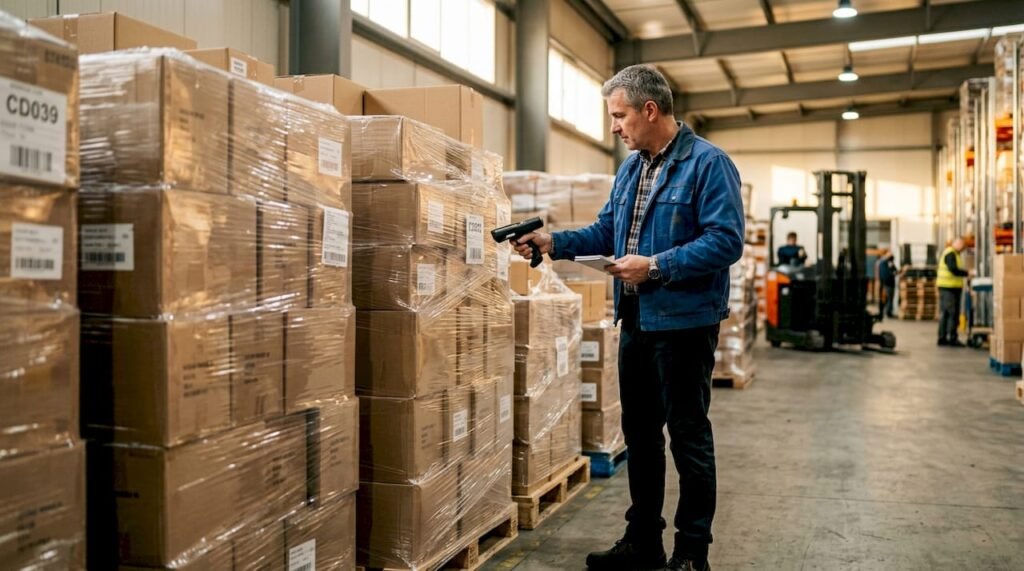
If you are pricing single pallets while your competitors are buying deeper, the math catches up fast. Liquidation truckloads are where many resellers move when they need lower per-unit costs, more inventory consistency, and enough volume to keep multiple sales channels stocked without constantly chasing the next deal.
That does not mean a truckload is the right move for every buyer. It means the buyers who understand freight, grading, sell-through speed, and cash flow can turn truckload purchasing into a serious margin play. If your goal is to scale, not just test, this is the format worth understanding.
What liquidation truckloads actually mean
A liquidation truckload is a large wholesale lot of discounted merchandise sold in bulk, usually made up of multiple pallets shipped together in one freight movement. Instead of buying one pallet of shelf pulls, customer returns, closeouts, or overstock, you are buying enough inventory to fill a full truck or a large portion of one.
That volume changes the economics. The landed cost per item often drops compared to smaller orders because you are spreading freight over more units and buying at a deeper bulk level. For a reseller, that can mean stronger margins, better price flexibility, and less downtime between restocks.
The catch is simple. A truckload magnifies both upside and risk. If the merchandise matches your market, it can move fast and produce real profit. If the mix is wrong for your customer base, you are now sitting on a lot more inventory to sort, store, and liquidate again.
Why resellers buy liquidation truckloads
Most buyers move into truckloads for one reason – scale. A pallet can help you test a category. A truckload can help you build a business around it.
For online sellers, larger bulk buys can keep listings active longer and reduce the stop-start cycle of running out of inventory. For discount stores and bin stores, truckload volume creates the depth needed to keep shelves full and foot traffic steady. For flea market and local resale operators, it can create enough mixed inventory to serve different buyers without sourcing from five different places every week.
There is also a sourcing advantage. Buyers chasing branded goods, mixed general merchandise, footwear, or high-turn categories often find that larger lots give them more inventory to work with at a better average cost. That matters when you are competing on price and still protecting margin.
The categories that make the most sense
Not every category performs the same at truckload level. Some are easier to sort, list, and flip. Others need more labor, more testing, or a longer sales cycle.
Overstock and closeout truckloads are usually attractive for buyers who want cleaner inventory and more predictable resale condition. Shelf pulls can also be strong when packaging wear is acceptable in your sales channel. Customer returns can offer big upside on cost, but they require a higher tolerance for sorting, missing parts, condition issues, and variable recovery rates.
Footwear is one category many resellers target because branded shoes and sneakers can perform well across online marketplaces, local resale, and independent retail. But even here, the details matter. Mixed sizing, box condition, seasonality, and brand mix can all affect how fast that inventory converts into cash.
How to know if you are ready for a truckload
A lot of resellers like the idea of truckloads before they are operationally ready for one. The purchase price is only part of the equation.
You need enough working capital to buy the inventory and still have room for freight, unloading, storage, sorting supplies, payroll if you use help, and the lag time before sales come in. You also need a realistic path to move volume. If your current setup struggles to process one pallet quickly, a truckload will not fix that. It will expose it.
Space matters too. Truckload inventory is not something you want showing up before you know exactly where it is going. If you have a warehouse, retail backroom, or organized storage plan, great. If you are trying to make a full truckload work in a crowded garage, the labor cost and chaos can eat into your profit faster than you expect.
What to ask before buying liquidation truckloads
The strongest buyers do not just look at price. They look at what is behind the lot.
Start with the inventory type. Is it overstock, shelf pulls, returns, closeouts, or a mix? Then ask about the manifest if one is available, the estimated retail value, the number of pallets, freight terms, and whether the load is tested, untested, sorted, or untouched. You also want to understand if the truckload is category-specific or mixed.
There is no magic answer that makes every load safe. Manifested loads can still contain surprises. Unmanifested loads can still be profitable. The point is to know what kind of risk you are pricing in.
If you are buying from a direct liquidation source, responsiveness matters. You should be able to get clear answers about lot makeup, shipping expectations, and basic condition terms before you commit. In a fast-moving wholesale environment, delays and vague details cost money.
Freight, unloading, and hidden costs
Truckload buyers who focus only on merchandise cost usually learn an expensive lesson. Freight and handling can make or break the deal.
Before purchasing, know whether the shipment is dock-to-dock, whether liftgate service is available if needed, and what kind of unloading setup your location can handle. A great inventory buy becomes a headache fast if the truck arrives and your location cannot receive it properly.
There are also the less obvious costs. Sorting labor, trash removal, repackaging, replacement boxes, testing tools, and storage racks all add up. This does not mean you should avoid truckloads. It means you should price them like a business buyer, not like a bargain hunter.
Truckloads vs pallets
Pallets are easier to test, easier to store, and easier to recover from if the category underperforms. That makes them a smart entry point for newer buyers or resellers trying a new product type.
Truckloads make more sense when you already know your market, have repeat sales channels, and want better buying power. They can lower your average unit cost and reduce sourcing frequency, but only if your business can process and sell the inventory efficiently.
For many resellers, the best path is not jumping straight from boxes to truckloads. It is building through pallets first, learning which categories produce the best recovery, then stepping into larger bulk buys with better data behind the decision.
How profitable can liquidation truckloads be?
Profit depends on category, condition, freight, labor, and your sales channel. A truckload of clean overstock in a strong category can outperform a cheaper truckload of messy returns once labor and damage are factored in. That is why lowest upfront price is not always best value.
Strong truckload buyers usually win because they know their recovery model. They understand what percentage of goods can be sold as new, what has to be discounted, what can be bundled, and what should be moved fast to free up space. They also know where each type of inventory goes. Premium items might go online. Medium-grade goods may go to local store traffic. Lower-grade pieces may get grouped into clearance lots.
That sorting strategy is where a lot of margin is made.
Buying with the right supplier matters
A dependable supplier does more than offer low prices. They make it easier to buy with clarity, get freight moving, and match lot size to your budget and business stage.
That is especially important if you are growing from pallets into truckloads. A supplier that offers smaller and larger formats gives you room to test categories before committing bigger capital. It also helps when you want to move from occasional buying to a more consistent inventory pipeline.
Pallet Liquidation Wholesale Online is built around that reseller model – flexible lot sizes, liquidation categories that fit real resale channels, and bulk buying options for businesses ready to step up in volume.
When a truckload is the wrong move
Sometimes the best buying decision is saying no. If your storage is tight, your sales channels are inconsistent, or your cash flow is already stretched, a truckload can create pressure instead of opportunity.
It is also the wrong move if you are buying based on excitement instead of a resale plan. Branded merchandise sounds great, but if you do not know your average sell-through time, return rate, labor cost, and channel restrictions, you are guessing with more money at stake.
There is nothing small about buying smart. Plenty of profitable resellers stay in pallet volume because it fits their operation better. Bigger only works when the system behind it is ready.
The real advantage of liquidation truckloads is not just that they are bigger. It is that they can put your inventory sourcing on a stronger footing when you have the space, capital, and resale discipline to handle them. Buy with your numbers first, your excitement second, and the right load can do a lot more than fill a truck.